Flurin has a Master of Advanced Studies in Business Informatics from ZHAW and is a certified business informatics specialist (HF).
He began his career in banking before founding his own consulting firm in 2014, where he advises financial service providers on digital transformation and operates platforms such as FACTSHEET-HUB.CH. As CTO of Konsento, he is responsible for the platform's technology strategy, leads the software development team and ensures that the Konsento application is implemented on scalable and secure infrastructure.
He speaks German and English.
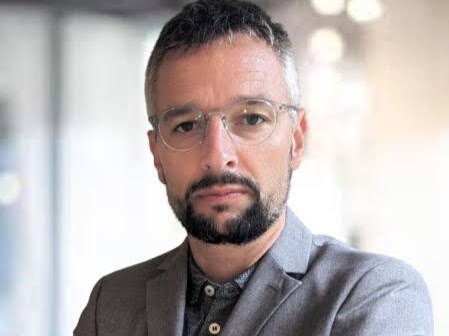
Flurin Schenkel
Frequently asked questions
Who within the company is responsible for determining beneficial ownership and carrying out the verification with the required due care?
The most senior member of the governing body. That person may delegate the task but remains responsible for the proper filing of the report (Art. 12 LETA).
What happens if a shareholder does not cooperate in determining the beneficial ownership?
The company documents the steps it has taken (Art. 8 para. 2 LETA) and states in the report that the verification was unsuccessful (Art. 9 para. 3 LETA, Art. 21 LETO). An intentional breach of the cooperation and reporting obligations may result in a fine of up to CHF 500,000 for the shareholder concerned (Art. 43 let. a LETA).
Is a copy of an identity document always required?
The company must establish whether the person concerned has an OASI number. Only if that is not the case must it obtain a copy of the passport, identity card or foreign national identity card (Art. 10 para. 2 LETO).