
Pascal Zysset is a lawyer and notary as well as a partner at Häusermann + Partner in Bern and specializes in corporate law, regulatory issues in financial market law and contract law, in particular advising start-ups.
He studied law at the University of Bern and the London School of Economics and Political Science. He is a lecturer in Compliance & Corporate Governance at the Swiss Fernfachhochschule and was a lecturer at the University of Bern.
Pascal Zysset advises Konsento on the digitization of corporate and notarization issues.
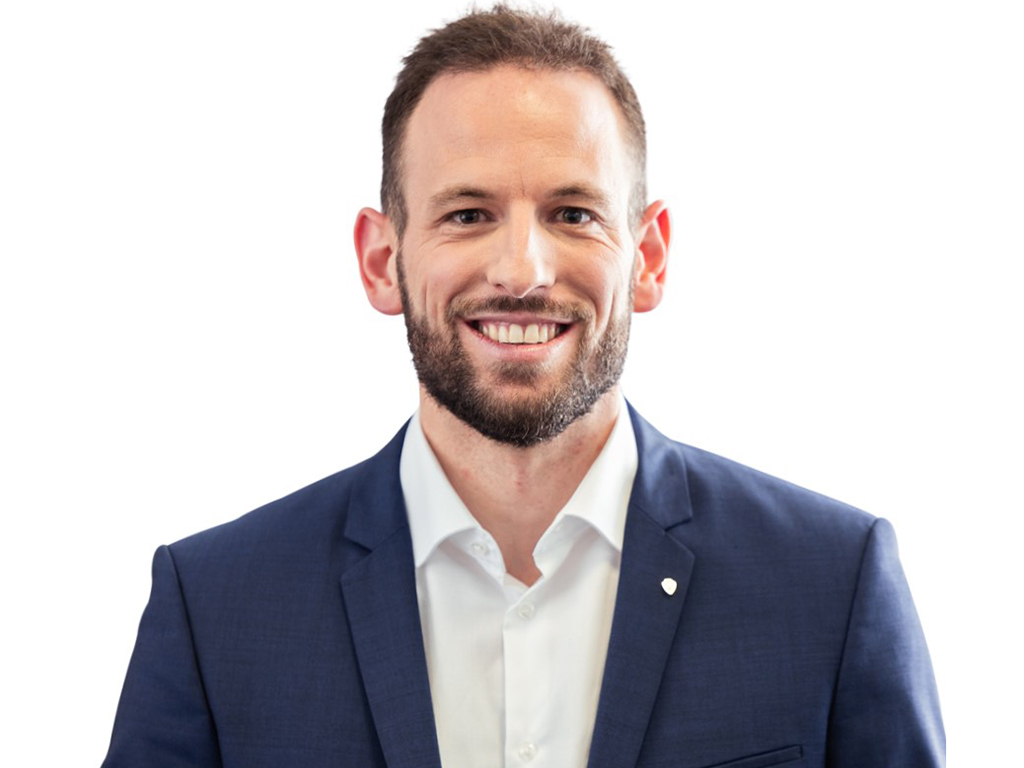
Dr. iur. Pascal Zysset
Frequently asked questions
Who within the company is responsible for determining beneficial ownership and carrying out the verification with the required due care?
The most senior member of the governing body. That person may delegate the task but remains responsible for the proper filing of the report (Art. 12 LETA).
What happens if a shareholder does not cooperate in determining the beneficial ownership?
The company documents the steps it has taken (Art. 8 para. 2 LETA) and states in the report that the verification was unsuccessful (Art. 9 para. 3 LETA, Art. 21 LETO). An intentional breach of the cooperation and reporting obligations may result in a fine of up to CHF 500,000 for the shareholder concerned (Art. 43 let. a LETA).
Is a copy of an identity document always required?
The company must establish whether the person concerned has an OASI number. Only if that is not the case must it obtain a copy of the passport, identity card or foreign national identity card (Art. 10 para. 2 LETO).