Dominik has a Master of Law from the University of Bern with a focus on economic and financial market law a diploma in banking and finance.
He has extensive experience at the interface of law, compliance and technology — in particular as Head of Compliance & RegTech Services at a major IT service provider for Swiss banks, where he led the development of regulatory technology solutions for financial institutions. As co-founder of Konsento, he is driving forward the digital transformation of corporate law processes for Swiss stock corporations.
In addition to consensus, he is also involved as co-head of the Bernese chapter of the Swiss LegalTech Association (SLTA) and is committed to digitizing the legal sector in Switzerland.
He speaks German, English and French.
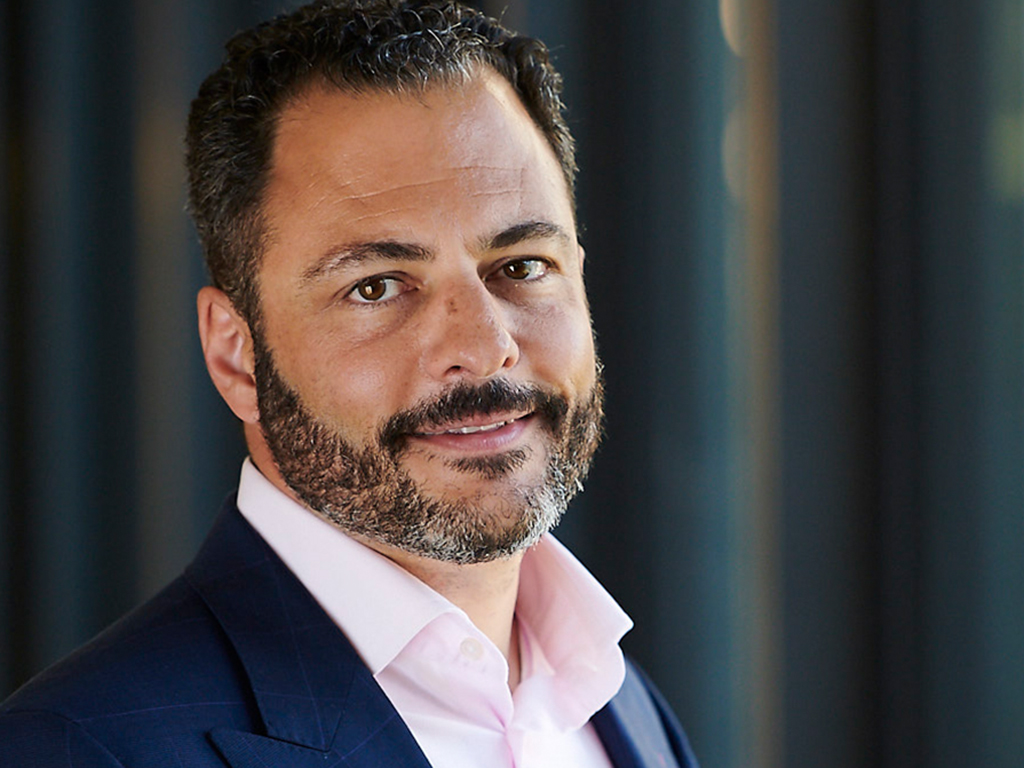
Dominik Witz
Frequently asked questions
Who within the company is responsible for determining beneficial ownership and carrying out the verification with the required due care?
The most senior member of the governing body. That person may delegate the task but remains responsible for the proper filing of the report (Art. 12 LETA).
What happens if a shareholder does not cooperate in determining the beneficial ownership?
The company documents the steps it has taken (Art. 8 para. 2 LETA) and states in the report that the verification was unsuccessful (Art. 9 para. 3 LETA, Art. 21 LETO). An intentional breach of the cooperation and reporting obligations may result in a fine of up to CHF 500,000 for the shareholder concerned (Art. 43 let. a LETA).
Is a copy of an identity document always required?
The company must establish whether the person concerned has an OASI number. Only if that is not the case must it obtain a copy of the passport, identity card or foreign national identity card (Art. 10 para. 2 LETO).