Swiss Transparency Act: All Information on the Transparency Register

Latest posts

Transparency Act: Paper Tiger or Real Control System?
The new Swiss Transparency Act requires companies to report their beneficial owners to the transparency register. Many wonder whether compliance with these duties is actually monitored, or whether the act is merely a paper tiger. This article shows that the TJPG provides for a multi-stage control system involving the register-keeping authority, difference reports, flags and a risk-based supervisory authority. It explains the consequences of incorrect filings and sets out why companies should document their ownership structure properly and well in advance.

What Information Must Be Reported to the Transparency Register
This article explains what information is required when reporting to the Swiss Transparency Register: from identity data on the beneficial owner to the nature and extent of control through to control chain disclosures in more complex structures. It covers special cases such as holdings through listed companies and situations where a beneficial owner cannot be identified, and maps the key obligations to the relevant provisions of the LETA and LETO. Deadlines, the logic behind change notifications and common misconceptions in practice are also addressed in accessible terms.

Transparency Act and Transparency Register: What Swiss SMEs Need to Know
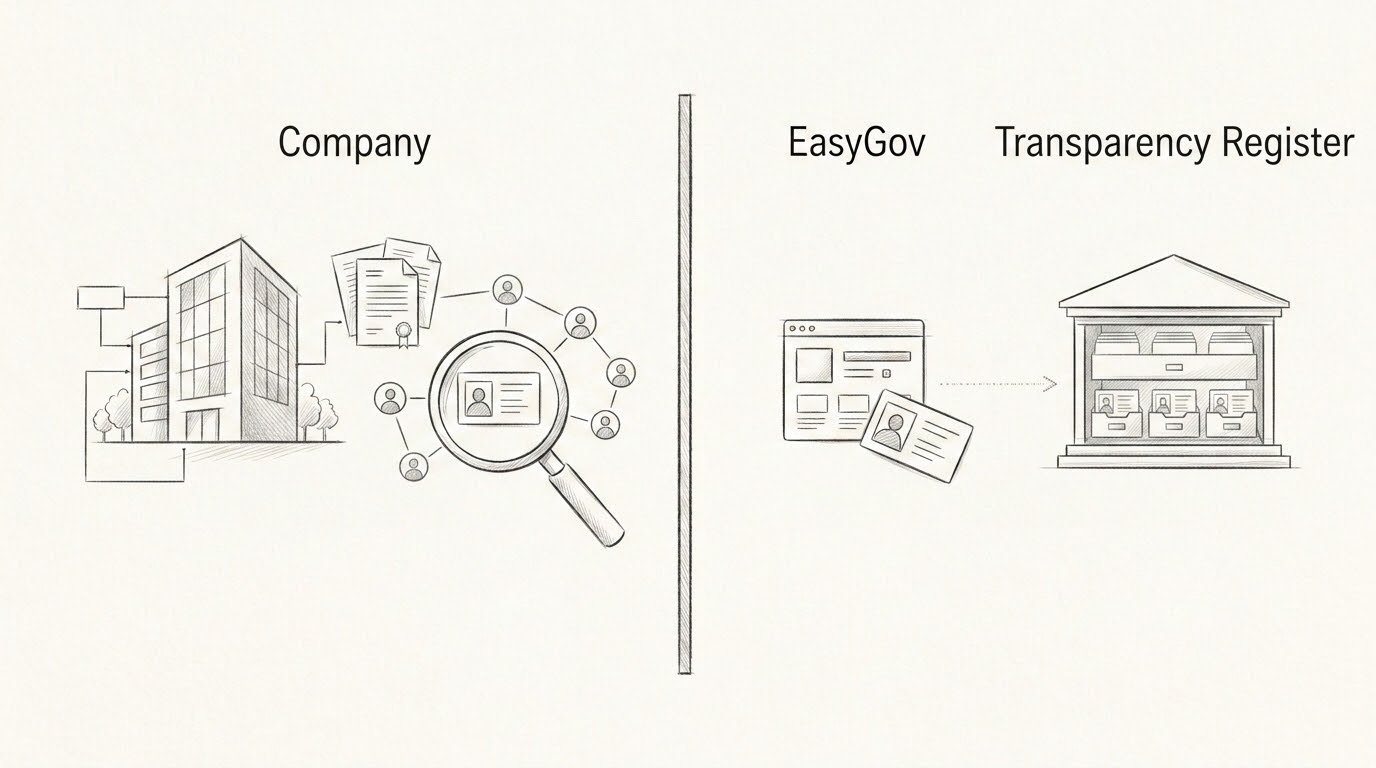
What is the Transparency Act (TJPG) – and what is the Swiss Transparency Register? The new law requires Swiss companies to identify their beneficial owners and record them in a central, non-public Transparency Register. Its goal is to increase transparency around ownership and control structures and to strengthen the fight against money laundering. This article explains which entities are affected, what duties apply to companies, shareholders, and beneficial owners – and how businesses can already start preparing. Digital solutions such as the Konsento share register provide a legally compliant foundation for future filings with the Transparency Register.

The New Obligations of Swiss Companies under the Transparency Act
From 2026, Swiss companies must identify, verify and report their beneficial owners to the new Transparency Register. This article explains which information must be disclosed under the Transparency Act (TJPG) and its Ordinance (TJPV) – from ownership structures and control chains to identity proofs – and how companies can prepare in advance.

Which Legal Entities Are Subject to Reporting Obligations under the Legal Entity Transparency Act (LETA)?
Starting in 2026, the Legal Entity Transparency Act (LETA) will subject around 600,000 legal entities in Switzerland—as well as certain foreign structures—to comprehensive reporting obligations regarding their beneficial owners. The blog outlines which legal forms fall under the law, which exceptions apply, and why foreign entities may also be covered. It further highlights that previous exemptions—such as for non-listed intermediated securities—no longer apply. Companies should begin preparing now. Konsento already enables full, compliant ownership mapping, free beneficial-owner registration for up to 150 shareholders, and round-the-clock support via the integrated AI chatbot.

Beneficial Owners Under the Transparency Register Explained
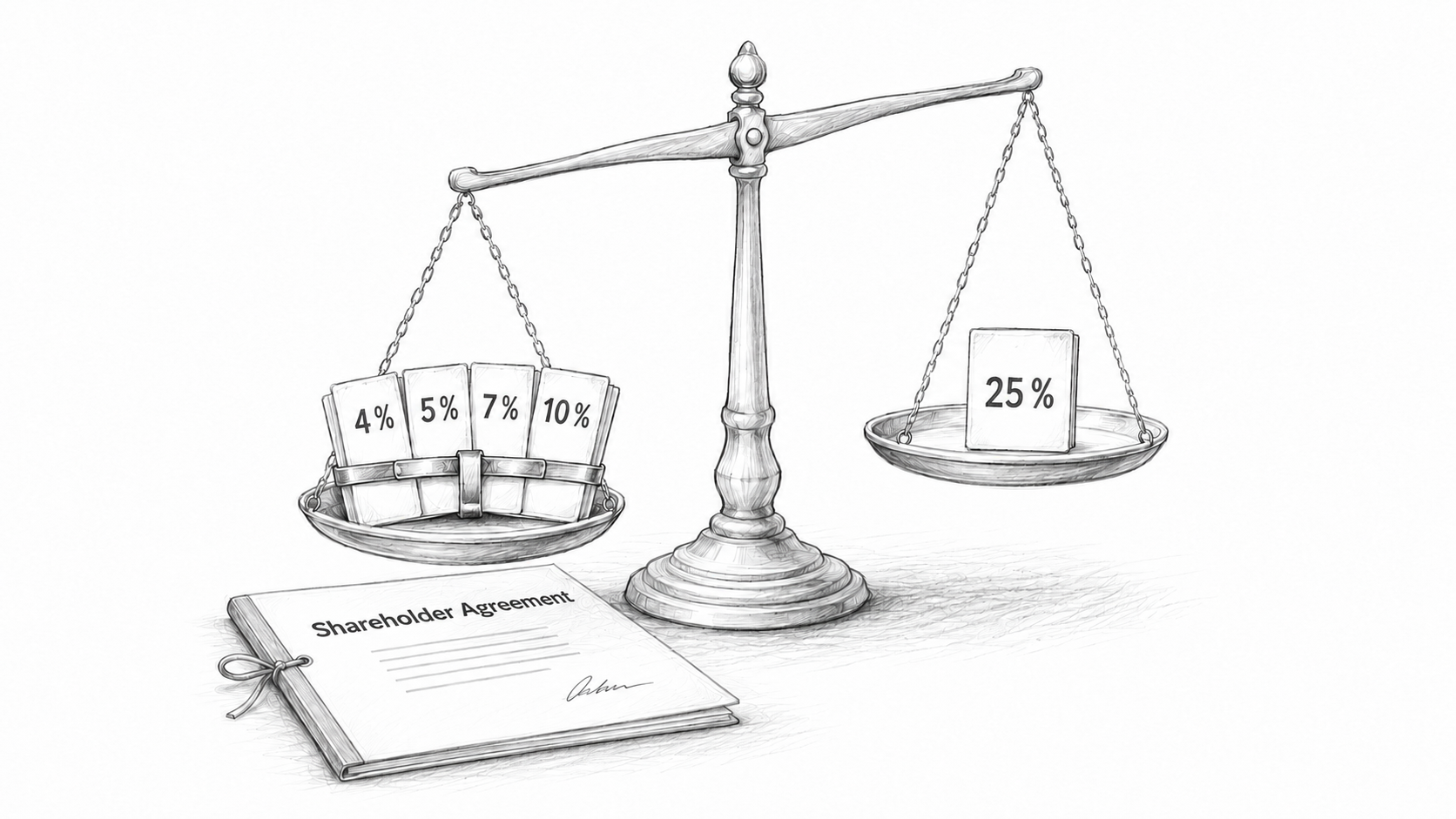
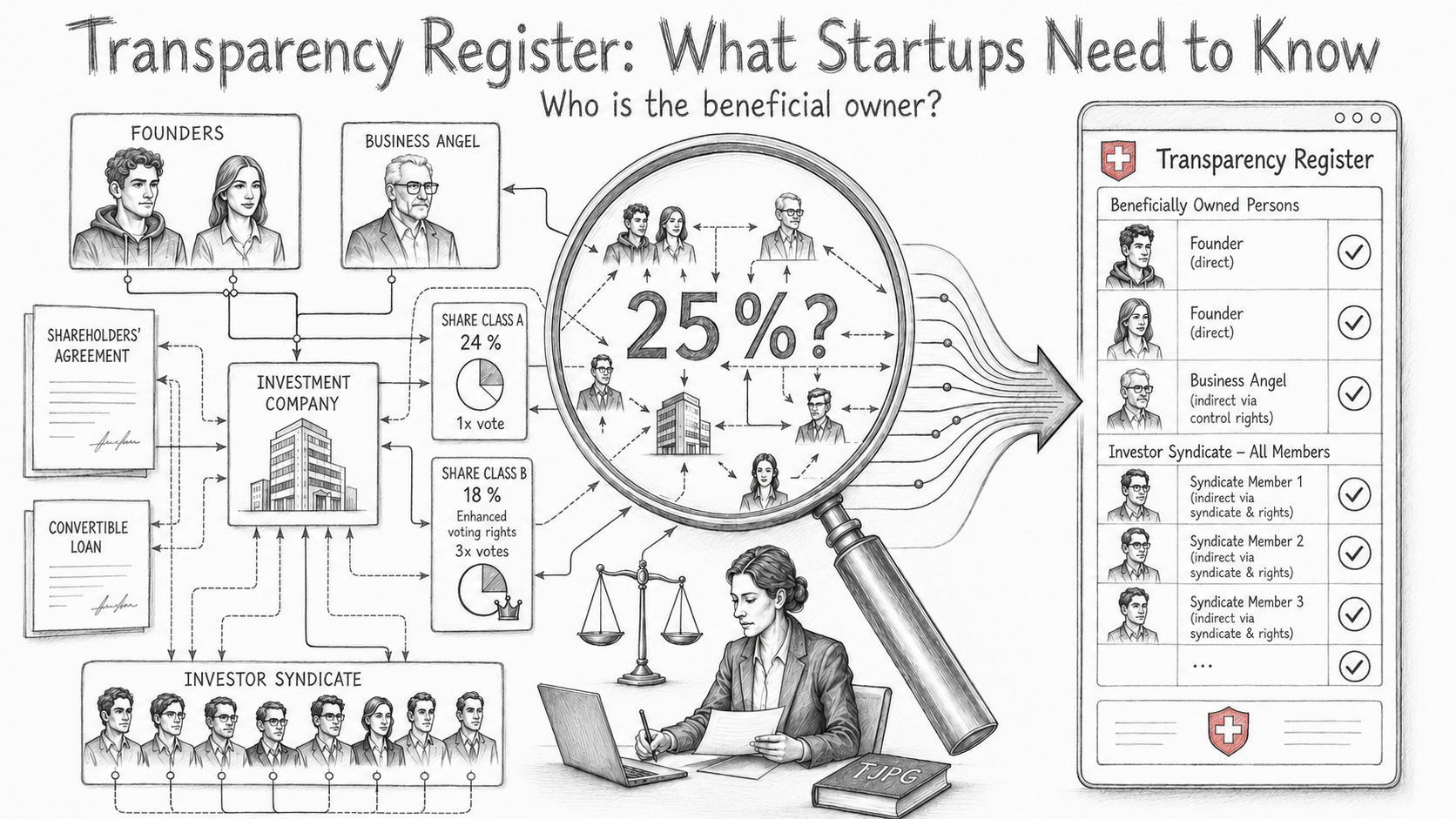
The Transparency Act requires Swiss companies to identify and report their beneficial owners (UBO) for the first time. This article explains when someone qualifies as a beneficial owner, how direct and indirect control is determined, and why contractual influence rights and acting in concert also play a central role. Early clarification of ownership structures helps avoid time pressure and compliance risks.