
Our Latest Blog Posts


Reporting to the transparency register: do it yourself, hire a fiduciary or use software?

Trusts and the transparency register – who is the beneficial owner when a trust holds an ownership interest in a Swiss company
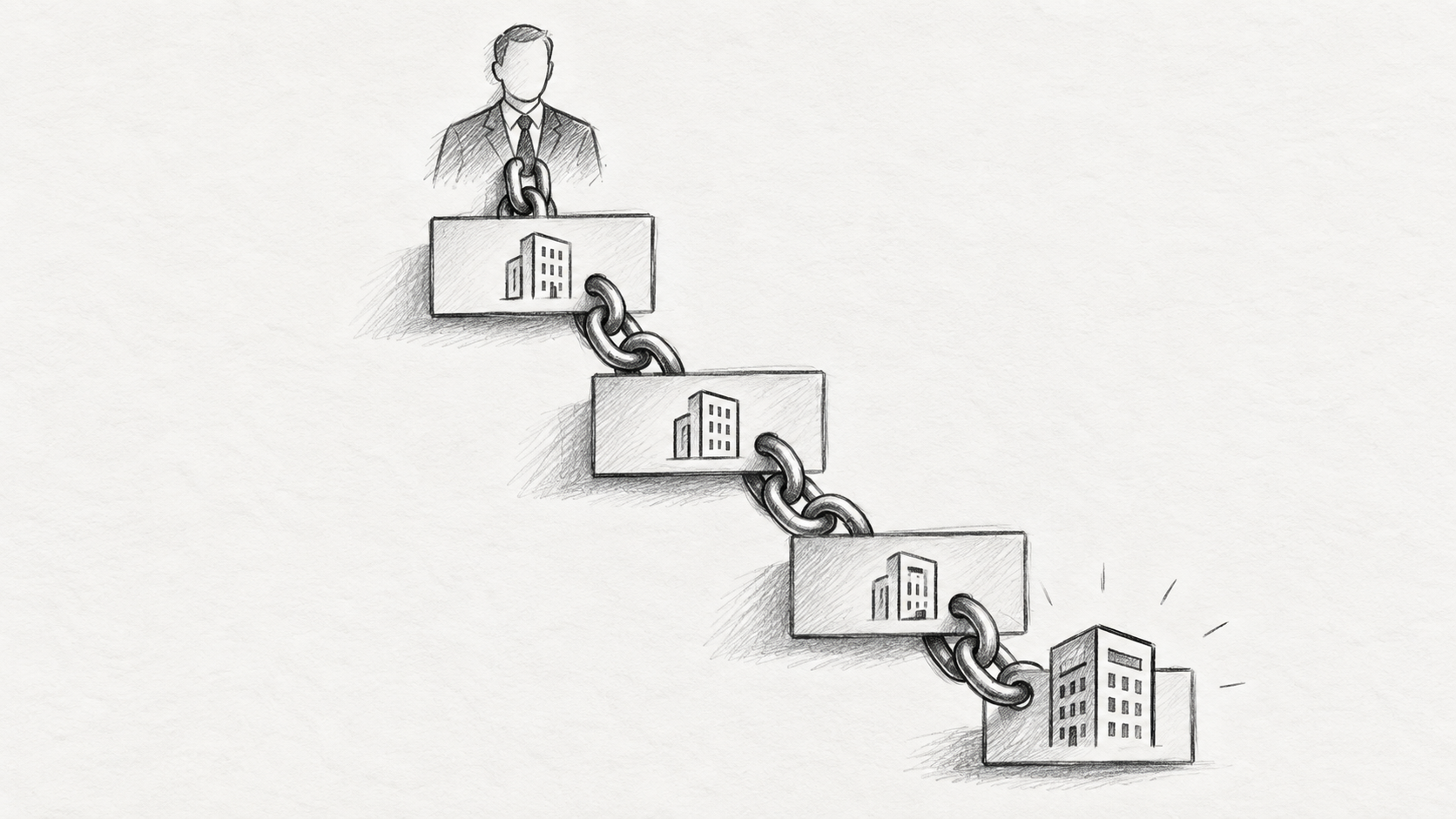
Chains of control in the transparency register – when intermediate companies must be reported

No Correct Report to the Transparency Register Without a Sanctions Check

The Final Transparency Ordinance Enters into Force on 1 October 2026: What Has Changed Compared to the Draft

Documentation and Retention Obligations under the LETA – What Companies Must Record and Retain
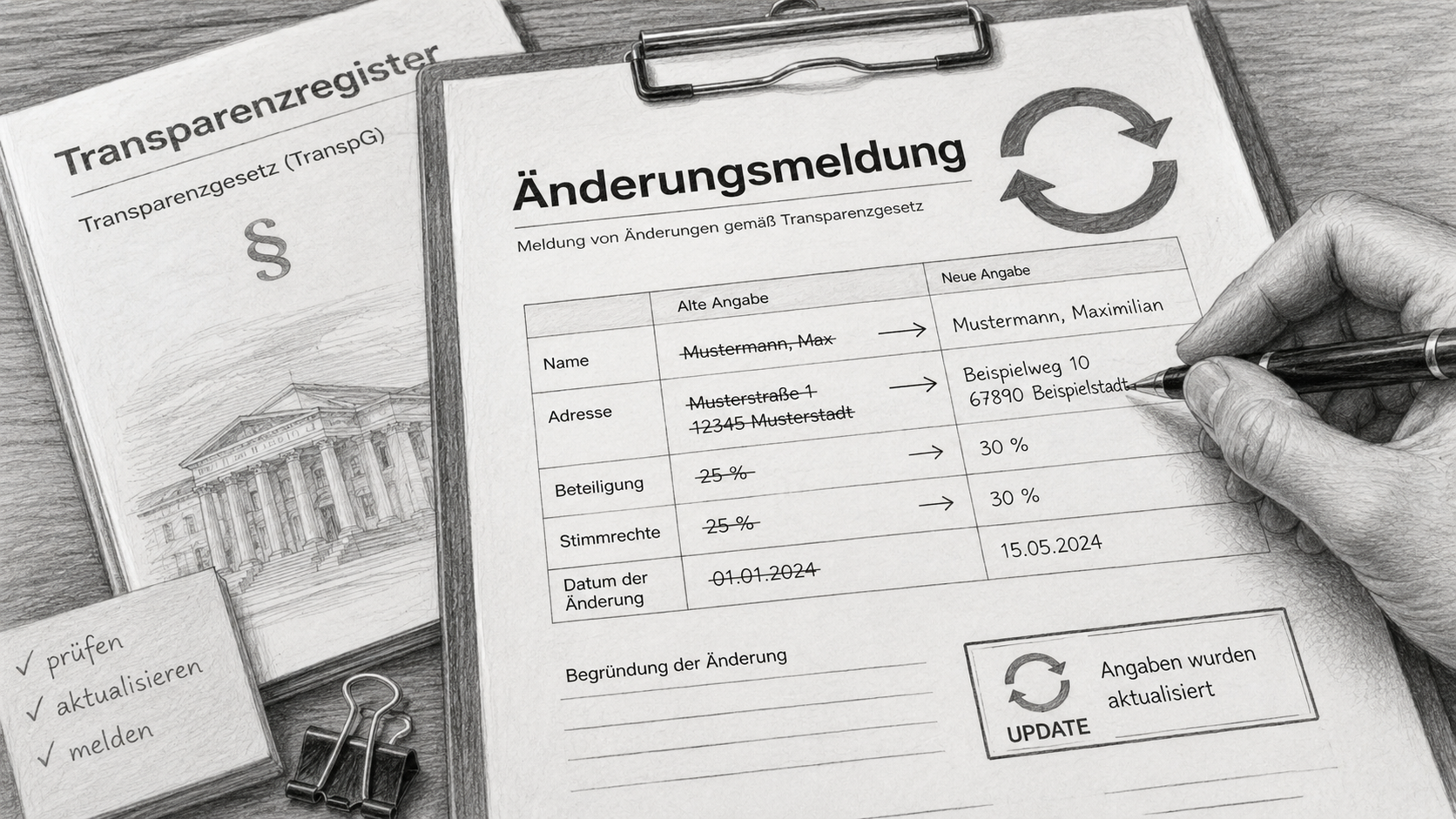
Change Notifications to the Transparency Register: What Needs to Be Reported and When?

Transparency Act and Transparency Register: What Swiss SMEs Need to Know
The New Obligations of Swiss Companies under the Transparency Act
Frequently asked questions
Who within the company is responsible for determining beneficial ownership and carrying out the verification with the required due care?
The most senior member of the governing body. That person may delegate the task but remains responsible for the proper filing of the report (Art. 12 LETA).
What happens if a shareholder does not cooperate in determining the beneficial ownership?
The company documents the steps it has taken (Art. 8 para. 2 LETA) and states in the report that the verification was unsuccessful (Art. 9 para. 3 LETA, Art. 21 LETO). An intentional breach of the cooperation and reporting obligations may result in a fine of up to CHF 500,000 for the shareholder concerned (Art. 43 let. a LETA).
Is a copy of an identity document always required?
The company must establish whether the person concerned has an OASI number. Only if that is not the case must it obtain a copy of the passport, identity card or foreign national identity card (Art. 10 para. 2 LETO).
Get Started Today and Streamline Your Workflow

Join thousands of satisfied users who have transformed their workflow with AirNode. Sign up now and take the first step towards.